One of China’s greatest poets reflects on the wisdom of silence.
ByPo Chu-i772-846
Po Chu-i772-846
A major Chinese poet and Tang dynasty government official, Po Chü-i wrote in a clear, accessible style that made his work immensely popular across all levels of society. His poems often offered social critique, reflecting a deep empathy for common people, alongside quiet observations of daily life, friendship, and retirement.
tr.Arthur Waley1889–1966
Arthur Waley1889–1966
A distinguished English Sinologist and translator, Waley brought classical Chinese and Japanese literature to the English-speaking world. Self-taught in both languages, his masterly translations—including The Analects of Confucius, The Tale of Genji, and the Chinese epic Monkey—were celebrated for retaining both scholarly fidelity and remarkable poetic grace.
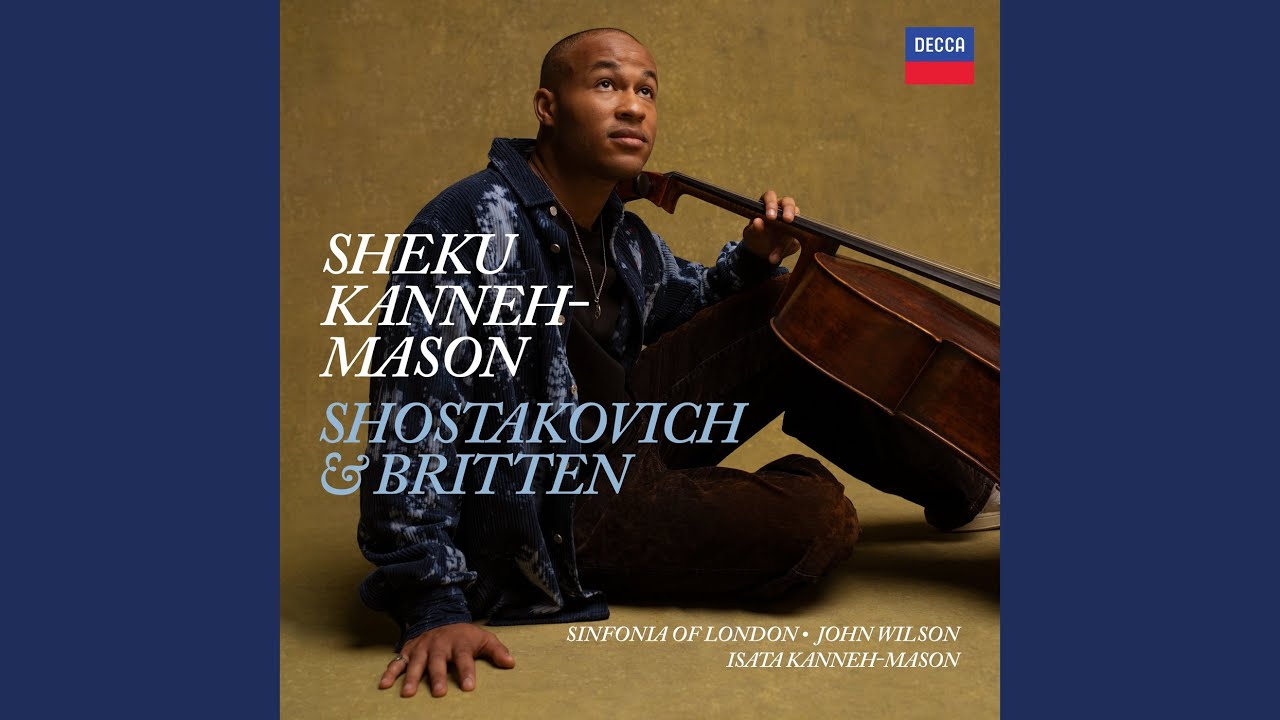
Benjamin Britten: Scherzo-Pizzicato, Allegretto(Click to expand video player)
Legendary Russian cellist Mstislav Rostropovich dearly wanted Benjamin Britten to write a piece for him, and late in 1960 Britten’s Sonata in C fulfilled all his hopes. The Scherzo is played entirely without the bow, that is, pizzicato, using all the fingerboard, and both hands; and so piano and cello chatter on to one another, with jerky silences and flurries of sound, quite as if talking over some knotty problem together.
Much-loved poet Po Chu-i or Bai Juyi (772-846) was a career bureaucrat whose abilities and frank criticisms brought a head-spinning series of promotions and demotions. Here, he puzzles over a contradiction in the philosophy of Lao-tzu, a contemporary of Confucius, who was the founder of Taoism. The Tang dynasty (618-907), the royal house of Po Chu-i’s day, venerated Lao-tzu as an Imperial ancestor.
THOSE who speak“THOSE who speak know nothing; Those who know are silent.” These words, as I am told, Were spoken by Lao-tzu. If we are to believe that Lao-tzu Was himself one who knew, How comes it that he wrote a book Of five thousand words?
Think and Speak
From a ’Fifties Classroom
For each word below, suggest at least one anagram. Then use the word and an anagram of it together in the same sentence.
Silent
Recipes
Demanding
Anagrams
Enlist. Listen. Tinsel.
Precise. Pierces.
Maddening.
For the Writer In You
Place the Right Emphasis
I would urge on you that in every
sentence there is just a right point of emphasis which you must train your ears to detect. So your writing will acquire not only emphasis, but balance.
Sir Arthur Quiller-Couch On the Art of Writing (1916)