
Main Text
IN June 1598, Gillingham-born William Adams, a thirty-four-year-old veteran of victory over the Spanish Armada, and an experienced mariner with Queen Elizabeth I’s Barbary Company, set out in a flotilla of five Dutch merchantmen for the Pacific coast of South America.
The journey was nightmarish: five ships left Holland, but after disease, storms and Spanish galleons, and angry natives in Ecuador, just two remained; they fled east, but only one reached Japan, landing at Usuki on April 19th, 1600. Barely seven crew were still standing. Will’s brother Thomas was dead. And no sooner had they landed than the Portuguese in Edo called on Tokugawa Ieyasu, Japan’s effective ruler, to crucify Adams as a pirate.
Ieyasu, fortunately, insisted on speaking to him first. Adams’s credentials and his knowledge of shipbuilding and navigation impressed, and far from having Will executed he commissioned him to build at Ito Japan’s first European-style ships, and establish trade with the Dutch East Indies to break the Portuguese monopoly.
The Englishman soon became Ieyasu’s trusted confidant, and a tutor to his officials. He was created a Samurai, named Miura Anjin, and granted an estate ‘like (he wrote) unto a Lordship in England.’ But to his lasting grief Will was forbidden to return home to his wife and two children. Ieyasu married him off instead to Oyuki, a well-to-do Japanese girl; they had two children, Joseph and Susanna.
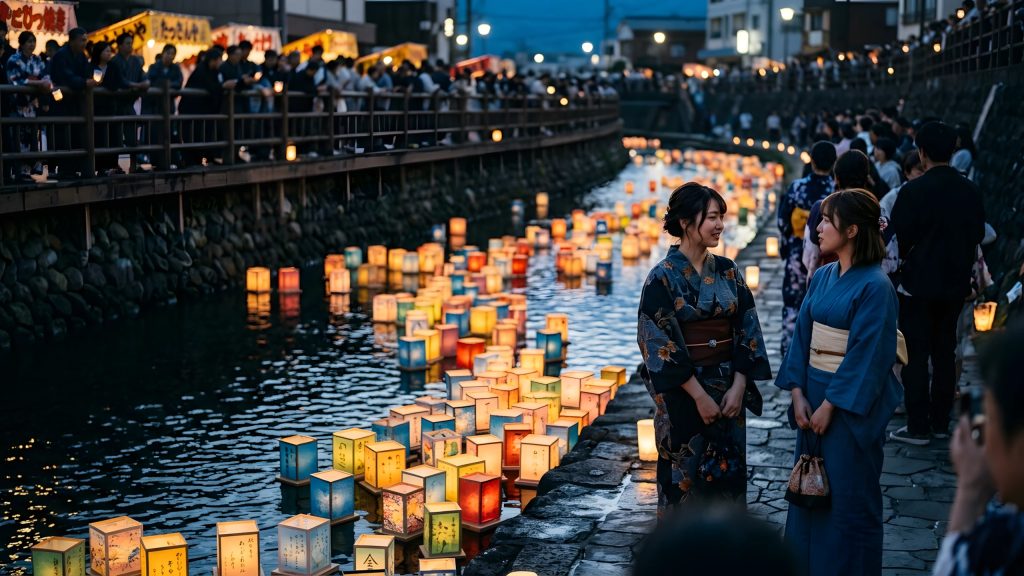
In 1613, on Adams’s initiative, the British East India Company in Indonesia established a factory next to the Dutch on Hirado Island near Nagasaki. Both location and wares were ill-chosen, but the Company ignored Adams’s warnings; only his own trading ventures, to Siam and Cochinchina, kept the struggling factory alive, and it folded three years after he died on May 16th, 1620, aged fifty-five. But Japan remembers Adams fondly; every August at the Miura Anjin Festival in Ito, fireworks crackle and taiko drummers play as glowing lanterns sail down the Matsukawa River to sea in his honour.